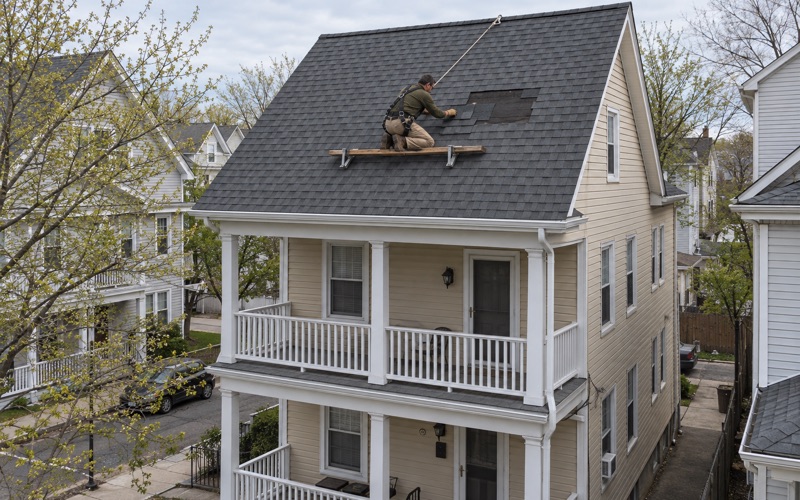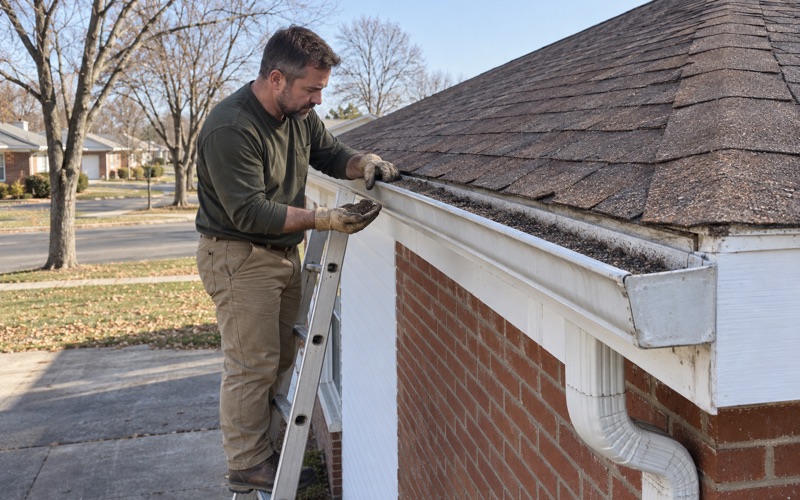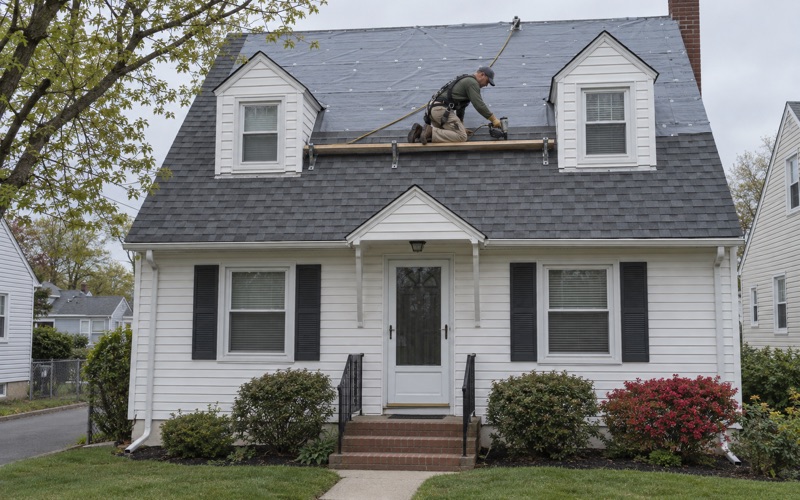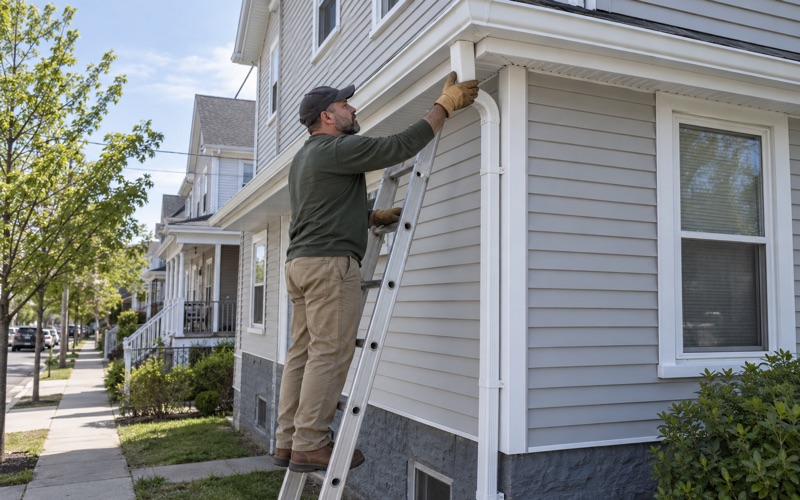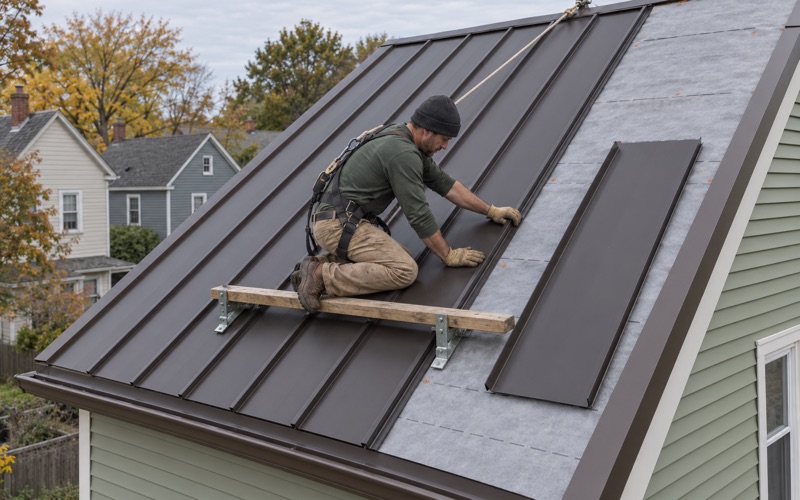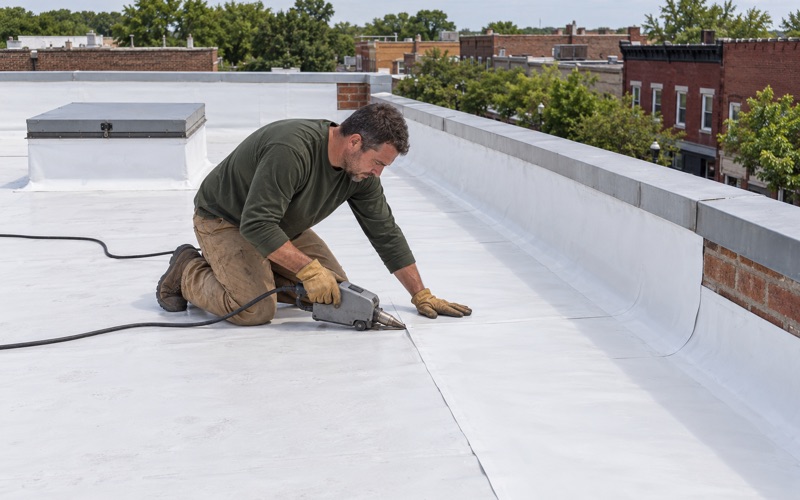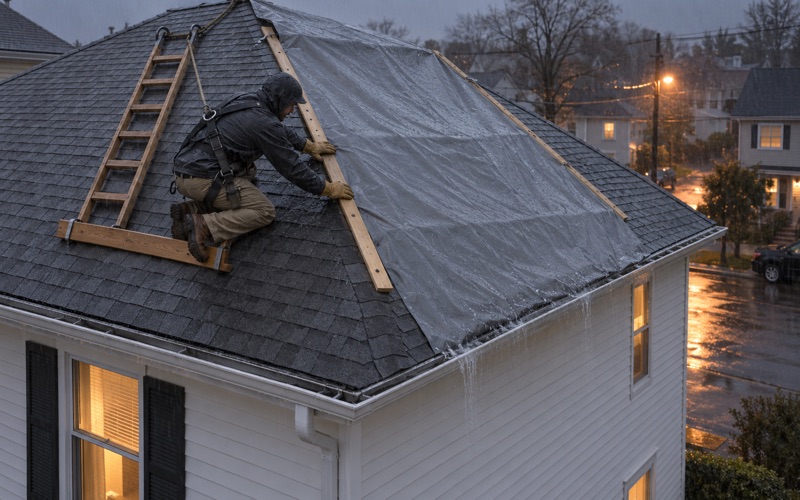
Perth Amboy Elite Roofing handles roofing in Totowa for owners who want a clear account of what their roof needs before anyone talks money. We have been working on New Jersey roofs for more than 20 years, and the first thing we settle on any call is whether the roof can be repaired or whether replacement is the honest answer. That answer shapes everything that follows, including how an owner pays for the work.
For some owner-occupants here, payment may involve the borough’s own Home Improvement Program, which lists roofs among the repairs it can fund through a forgivable loan. Whether a household or a roof qualifies is the program’s decision, not ours, and we have no part in its review. What we can do is give an owner a written, itemized roof scope early enough to ask the right questions before work is booked.
This page walks through how the program is described, who it is written for, what the loan terms say, and where a roof estimate fits into the sequence. It also covers what we look at on a leak or re-roof call, because the scope an owner brings to any conversation about money should rest on what is actually wrong with the roof.
Totowa’s Home Improvement Program and Where Roofs Fit
Sponsored by the Borough, Run by an Administrator
The program page states plainly that the Home Improvement Program is sponsored by the Borough of Totowa. Administration sits with Community Grants, Planning & Housing, and the page directs inquiries to a phone line and an email address at that office. Questions about eligibility belong with that administrator, not with the Building Department and not with a contractor.
That split matters to anyone weighing a roof against the program. The borough sets the program up, the program decides who is in it, and the contractor only does the work an owner hires it to do. We fall entirely in that last group, so nothing we say about the program is a promise of approval or funding.
Roofs on the List of Eligible Repairs
The program names roofs alongside heating and electrical systems, plumbing components, weatherization and foundation work as repairs it can pay for. Up to $20,000 in repairs is the figure the page gives. With other systems competing for the same ceiling, the scope behind a roof request needs to be specific about what is being replaced and why.
An owner whose roof is one of several problems may have to choose what to put forward. A leak that is also soaking a ceiling, or a failed chimney flashing that is letting water into a wall, is different from a roof that is simply worn. We say which of those we are looking at, in writing, so the owner can make that choice with the facts in hand.
Why the Borough’s Housing Makes This Relevant
Totowa is a borough in Passaic County, formed in 1898 from portions of Wayne Township, and much of its housing is decades old. Census estimates count 1,114 homes built in the 1950s alone, and 56.4 percent of the borough’s housing predates 1960. A house of that age has normally been through more than one roof already.
Owners also hold most of that housing: 2,881 of 3,916 occupied homes are owner-occupied. The program is written for an owner who lives in the house, and in a borough with this much mid-century stock, an aging roof is a likely reason to look at it. That overlap is why we bring the program up with Totowa owners at all.
Looking for roofing closer to Lincoln Park? See Roofing in Lincoln Park.
Who Qualifies: Owners, Occupancy and Income Limits
Living in the Home You Own
The program page sets two conditions before income comes into it: the applicant must live in Totowa and must own the home. The page does not state whether a two-family house with a rented second unit is treated differently, and we do not guess at it. An owner in that situation should put the question to the administrator directly.
That question is a live one here, because two-unit buildings hold 10.6 percent of the borough’s housing and 215 owner households live in one. When the second unit is rented, we also plan any roof work around the tenants, telling the people upstairs when the crew will arrive and where we need access.
Income Limits by Household Size
Total gross annual household income has to fall below a limit set by household size. On the page we read, those limits ran from $72,560 for a one-person household to $136,800 for a household of eight. The same page says the income limits are updated annually, so the figures here are a snapshot of what was posted, not a current table.
Any household close to its limit should confirm the figure with Community Grants, Planning & Housing rather than rely on an old number. We are not in a position to tell anyone whether their income fits, and we would rather an owner hear that from the people who make the decision. Our part starts once the roof itself needs to be described.
A Ten-Year Forgivable Loan, Not a Gift
Zero Percent, No Monthly Payments
The terms on the page are a no-interest, 0 percent, ten-year forgivable loan with no monthly payments. For a household that cannot carry a new monthly bill, that structure is the point: the repair is not paid back in installments. It is still a loan, though, and the owner should read its conditions as carefully as any roofing contract.
We mention this because roofing customers sometimes hear about a borough program secondhand and assume it is a gift. It is not described that way. The program’s own wording is a forgivable loan, and the forgiveness depends on what the owner does over the following decade. Reading it accurately at the start saves a hard conversation later.
Keeping Title and Occupancy for Ten Years
The loan is forgiven if the owner keeps title to the home and keeps living in it for ten years. An owner who expects to sell, transfer the house, or move out within that window should ask the administrator what happens in that case before going further. The page we read does not describe that outcome, so we leave the answer to the program.
That ten-year condition also changes how we think about the roof being proposed. If the loan rides on the owner staying put for a decade, the roof work proposed under it should be built to outlast that decade comfortably. A patch that buys two seasons is the wrong thing to put in front of a program whose terms run ten years.
Repair or Replace, Answered First
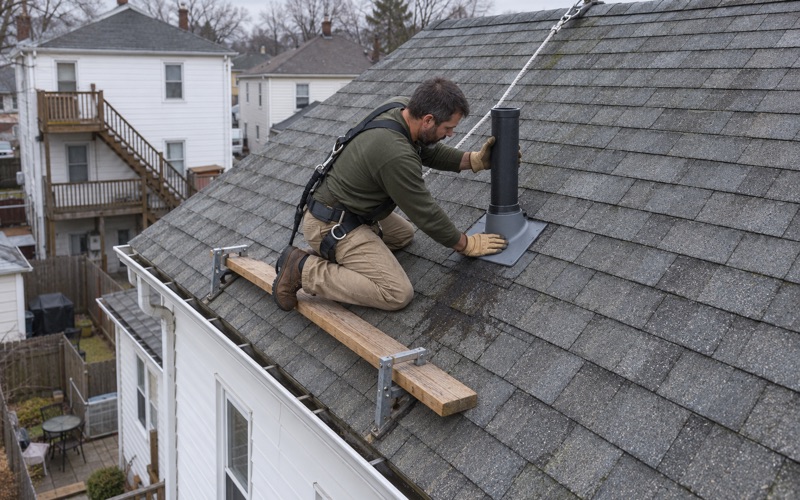
None of this changes the first question we answer on a Totowa roof, which is whether it can be repaired. Many leaks on older houses come from a cracked pipe boot, a lifted shingle course or a chimney flashing that has pulled away from the brick, and those are repairs. We tell the owner that before replacement is ever on the table.
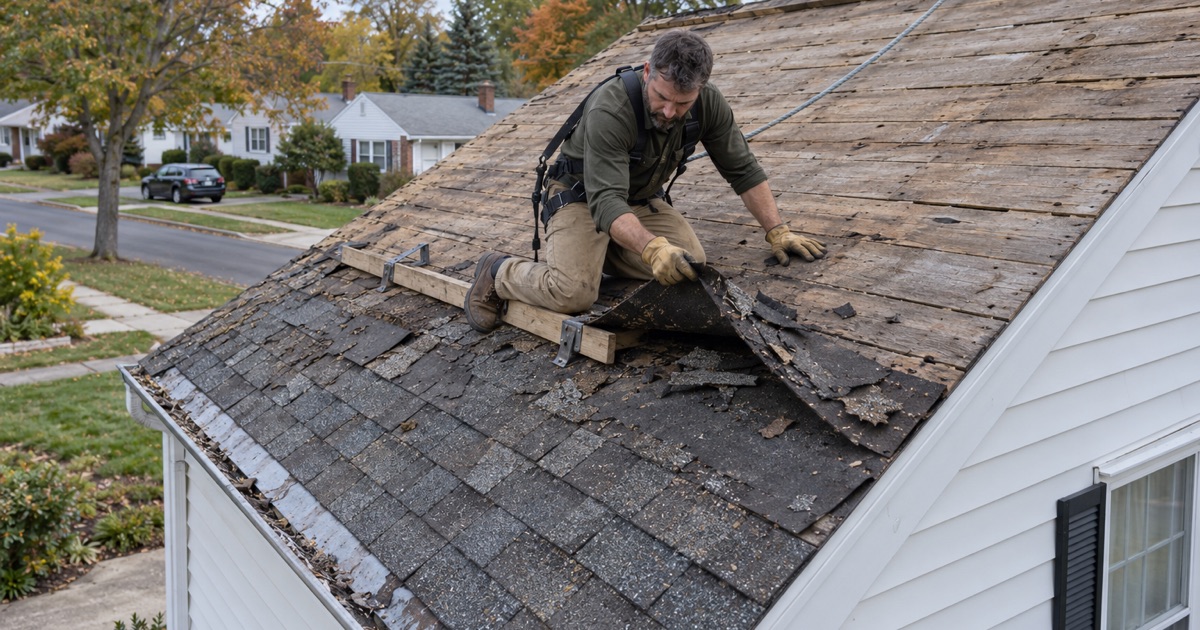
When replacement is the right answer, we say so with the same directness and show why. Worn granules across every slope, soft decking underfoot, or a roof already carrying more than one layer all point the same way. An owner taking a scope to the program is better served by an honest diagnosis than by the largest number we could write.
Asking the Program Before the Roof Is Scheduled
Start With the Pre-Application
The page says a one-page pre-application, sent to the administrator, starts the process. It does not state an application deadline, how much funding is on hand at a given time, or whether approval has to come before work begins. We have not seen those answers, so we do not pass along guesses about them.
The sensible order follows from that. An owner interested in the program can contact the administrator first and treat our estimate as information to share, not as a booked job, until the program has explained how its process runs. Signing a roofing contract first risks running ahead of steps the owner has not yet seen.
A Written Scope the Administrator Can Read
Our written scopes list tear-off, decking, underlayment, flashing, ventilation and gutters as separate lines. That format exists so an owner can compare two estimates item by item, and it also gives anyone reviewing a repair request a clear picture of what the roof work includes. An owner who chooses to include it with a program application can do so, and the filing itself stays with the owner.
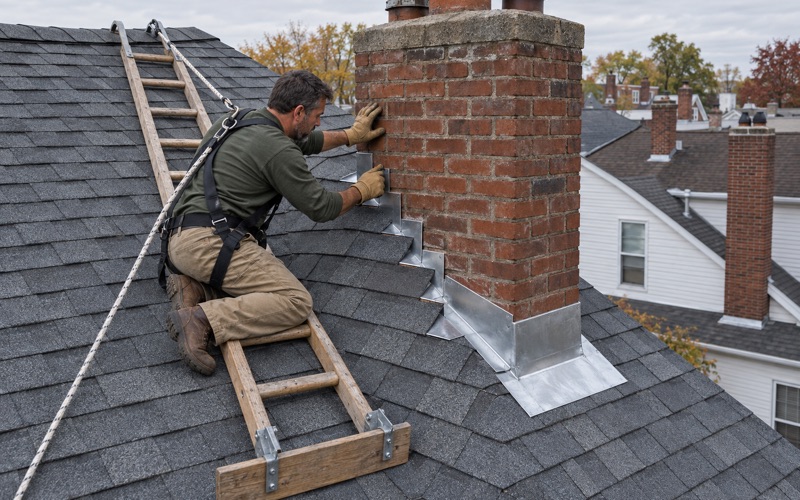
Flashing is its own line for a reason. On a re-roof we replace step, counter and chimney flashing along with the roofing rather than reusing the old metal under new shingles, and the scope says so. On a house with a brick chimney, the scope also notes whether a cricket or crown repair is part of the job.
What We Check Before We Write It
A scope is only as good as the inspection behind it. On every leak call we look in the attic or at the top-floor ceiling as well as on the roof, tracing the water to where it actually enters before anything is priced. On a mid-century house, the stain on the ceiling and the opening on the roof can sit several rafters apart.
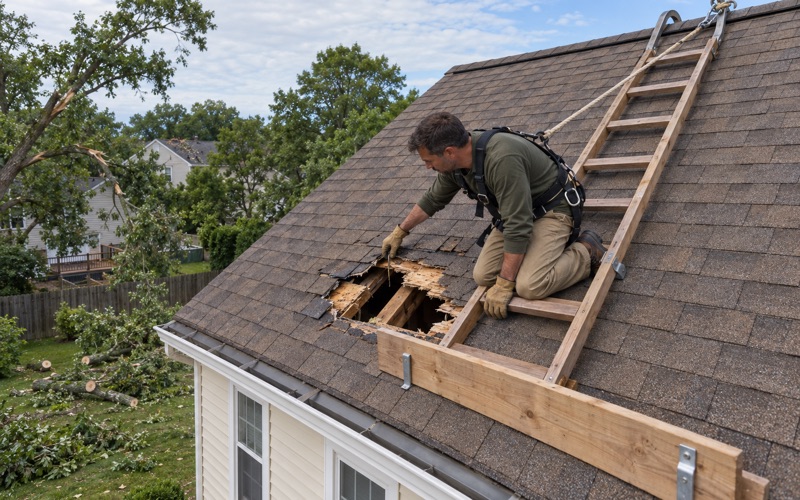
Decking is the other unknown on houses this age, since board sheathing from the original build may still sit under more than one roof. When the old roofing comes off and damaged decking turns up, we photograph it and show the owner before replacing it, at a per-sheet price already set in the contract. That keeps the final cost tied to what was actually found.
Every contract we write follows New Jersey’s home improvement rules, including the three-day cancellation notice. At the end of each work day the crew cleans the yard, the sidewalk and the gutters and runs a magnet sweep for nails. Those habits do not change with how a job is paid for.
- 20+ Years in Roofing
- Itemized Written Estimates
- Attic-to-Roof Leak Tracing